Production plans rarely go as expected. Things can shift at a moment’s notice during any stage of production and finding ways to keep your cool are key for a producer.
I discovered this was not only true for my work as a producer, but also during my travels to New Zealand and Australia. Miles away from home, these key lessons have been essential for both my travels and my work as producer:
Respect the plan, but don’t worship it
Traveling through New Zealand and Australia taught me that even the best itineraries can shift. Before visiting each location on my itinerary, I thoroughly researched each one to determine what were my priorities, what might be nice to see, and what I could skip. I also made a note of whether or not sites required timed tickets for my itinerary.
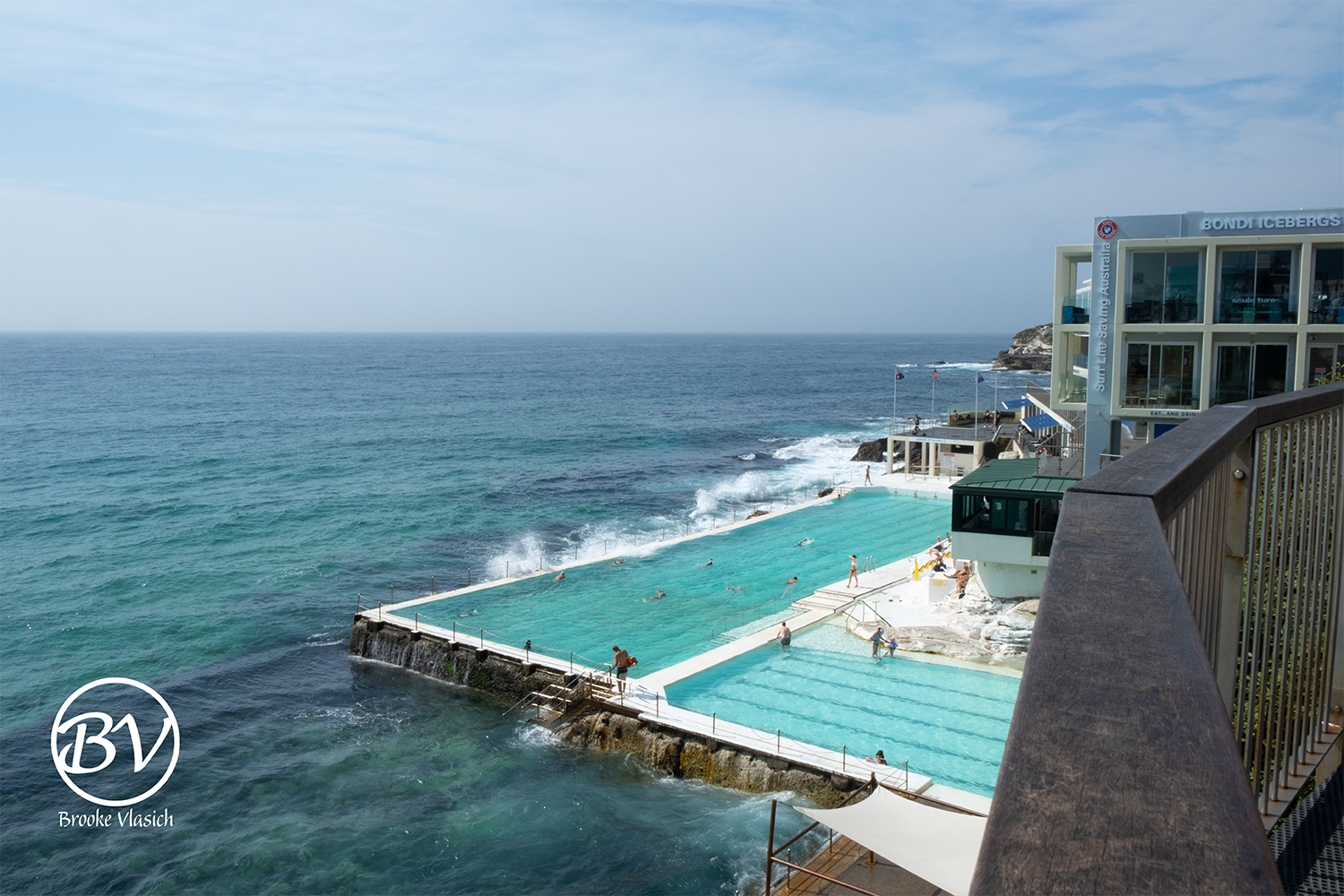
In Sydney, Bondi Beach was on my “must-see” list and I set it aside for my last day to allow enough time for me to travel there and experience the beach walk. What my plans didn’t take into account was the weather. The day I originally planned to visit would be the coldest with potential wind and rain, so I checked my itinerary to figure out where I could switch days without disrupting any major plans. Having flexibility in my schedule went a long way and allowed me time to enjoy Bondi Beach during a hot and sunny day.
On set, production plans matter, but flexibility is what saves the day. From calendars to call sheets, all of the paperwork and plans work best when they have flexibility and provide information for when the unexpected happens.
Flexibility was very important while producing videos for The Healing Project, an exhibition on incarceration. Our original schedule had us filming interviews in the galleries, but once the DP and production crew arrived, it was clear noise from preparators actively working in the galleries and facilities staff finishing floors would cause major disruptions.
Instead of forcing the plan, we pivoted: we moved interviews upstairs where the lighting and background were better, shifted our timeline to film during the preparators’ lunch break, and relocated the videographers’ equipment so it wouldn’t interfere with work in the galleries. The result was a more collaborative environment and footage that ultimately served the project.
Pause before you react
When travel changes popped up, taking a breath helped me reset. Before my flight to Middle Earth, people warned me of potential flight delays and cancellations on the news. I worried everything might fall apart and I would miss my chance to see a place I’ve always wanted to visit. Then, a good friend’s voice of reason encouraged me to research options for last-minute interruptions and reminded me that a change of course may be possible but it was unlikely my whole trip would be cut short.
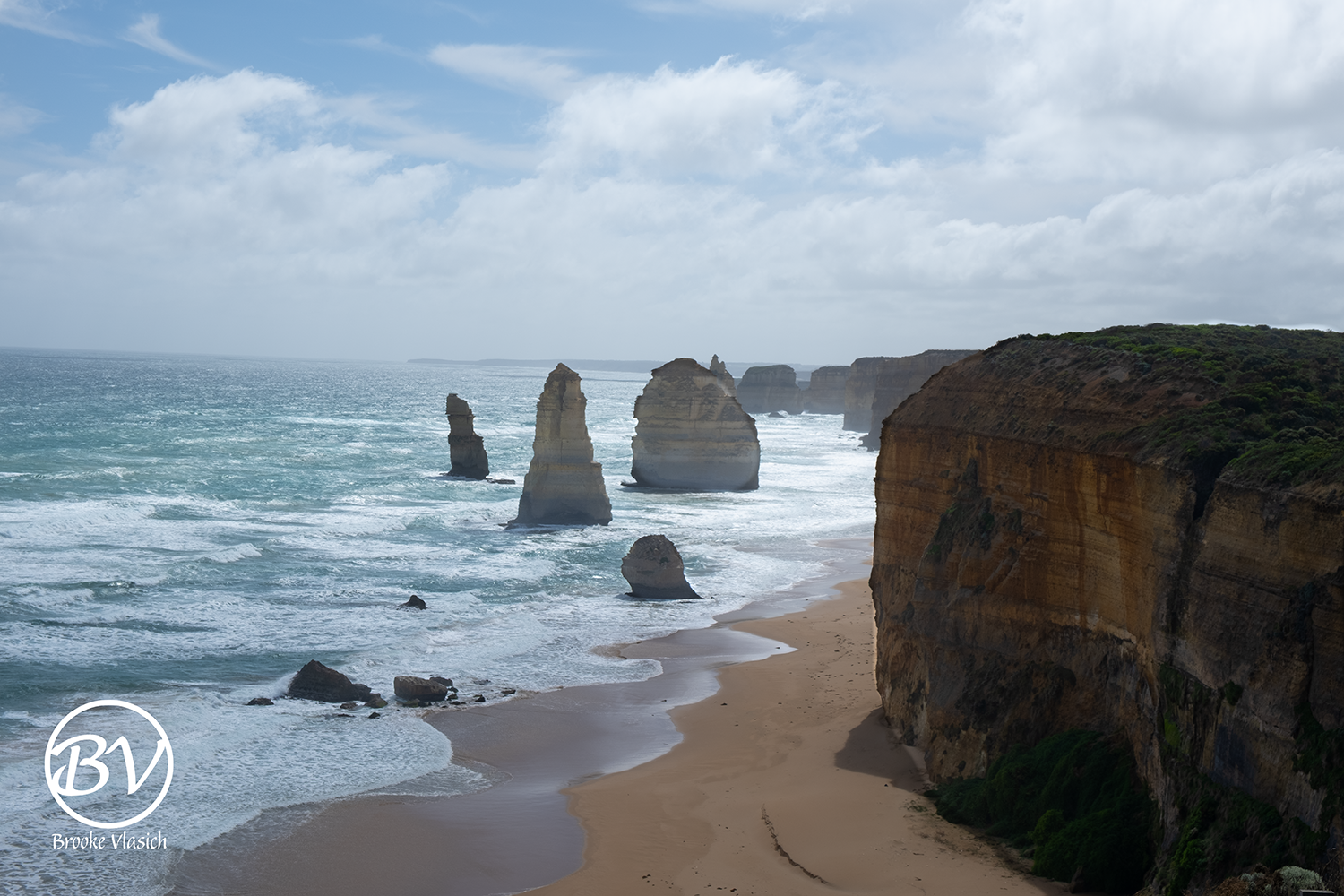
Per her advice, I checked in with the travel agency and researched the airlines for next steps regarding cancellations. Then, I took a deep breath and felt reassured that I had options in case the unexpected occurred. During my travels, I found quiet moments at each location to ground me and help me stay centered. Rotorua’s lush green landscape and the scenery along the Great Ocean Road were places that provided me a place to focus on the present.
The same calm pause keeps a crisis from escalating when production plans suddenly shift. When it feels like a million questions are coming at you, it’s easy to start spiraling and lose your cool. When this happens, I take a pause and find something to focus on, whether it’s a steady task or clear priority, to help ground me on set.
No other guiding principle could’ve helped more when filming interviews for Bay Area Then and MAKIBAKA: A Living Legacy, two exhibitions with more than 40 artists combined. The press preview was the ideal moment to capture interviews since so many artists and curators would be on site, but it also meant we were sharing space with an active press tour.
It would have been easy for the DP, Director of Marketing & Communications, and myself to panic as we navigated changing locations, background noise, and timing conflicts, but each time something shifted, we took a breath before deciding our next move. That pause gave us the clarity to choose new spots, adjust setups, and keep interviews flowing without disrupting the press preview.
Break the problem into smaller moves
When roadblocks appear, it’s easy to fall into the trap of stressing over the issue. I encountered many unexpected challenges when traveling in Australia and New Zealand. Locals warned me of possible strong turbulence heading into Wellington. Wandering around Auckland, I had major neck and shoulder pain from long flights and my backpack.

I could’ve chosen to let the fear and anxiety get to me, but it was more manageable to stop and assess small steps I could take to improve the situation. Before boarding the flight to Wellington, I thought through what I might need for rough winds: Ginger. Check. Tums. Check. Motion sickness. Check. Extra plastic bag. Check.
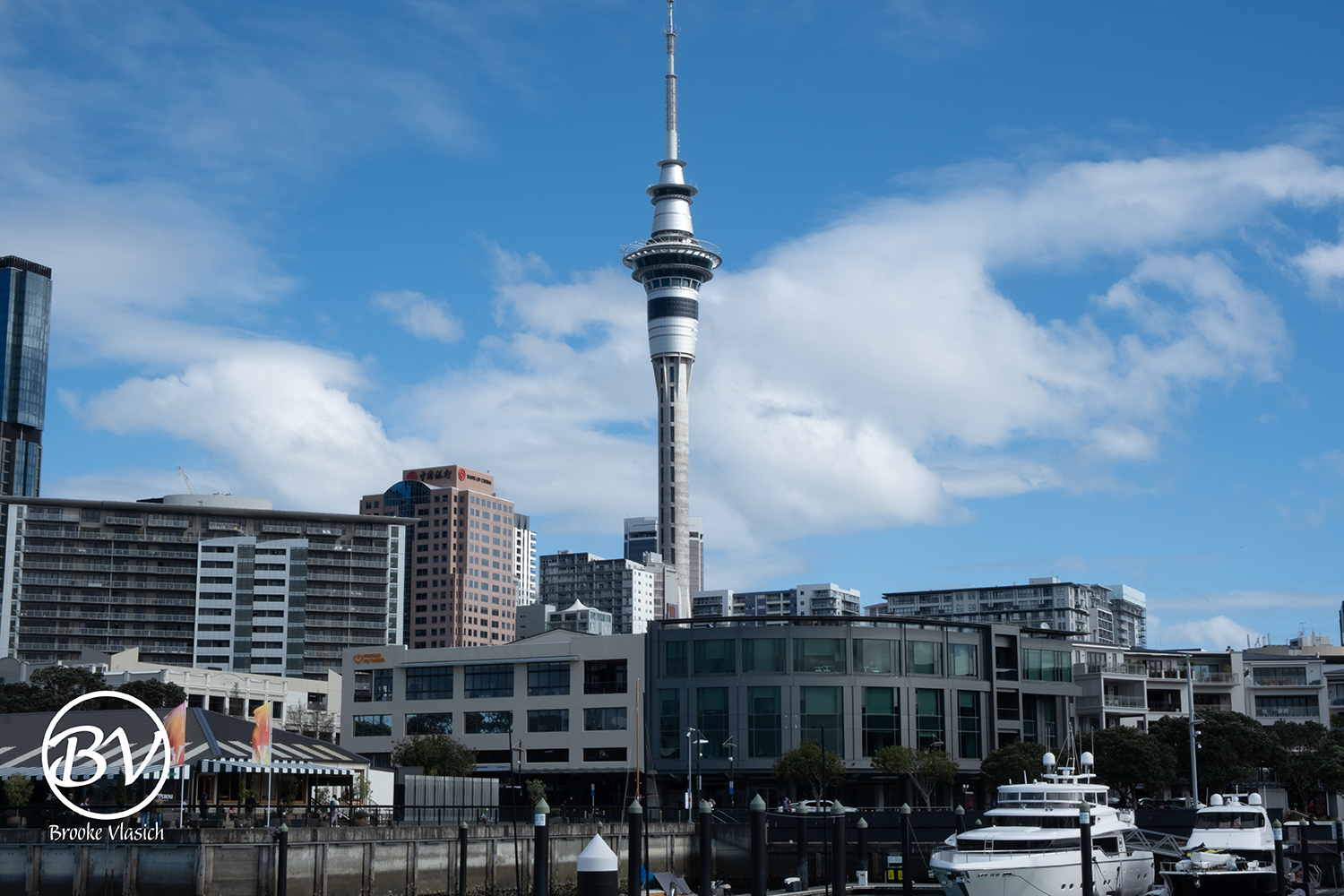
In Auckland, I took a moment to assess what might help relieve my neck and shoulder pain. First I tried a massage ball and stretching. When that didn’t work, I picked up Ibuprofen at a local pharmacy. And when I still needed reinforcement, I found a pain relief cream that did the trick. I also figured out times when I didn’t need to carry a backpack to give my shoulders a break.
Just as travel hiccups become manageable when handled step by step, challenges in production become less overwhelming when you divide the issue into actions.
When producing a tutorial video on how to make a miniature version of a bahay kubo, a traditional Filipino hut, my co-worker and I realized we didn’t have images of the bahay kubo or the community process of moving one that were both authentic and copyright-safe. I didn’t want to rely on fully AI-generated images, and the more we searched, the more overwhelming the problem felt.
But once we broke it down into steps, everything became manageable. First, my coworker shared a children’s book she uses when teaching kids about the bahay kubo. Afterwards, I reached out to the publishing company for permissions. With their guidelines in hand, we used their image and sourced royalty-free images we could legally and ethically use. By tackling each piece one at a time, we turned a daunting roadblock into a smooth, clear path forward.
Don’t be afraid to ask for help
Prior to any travel, questions can come up like: What will I do if something goes wrong? Will I be able to manage if something doesn’t go as planned? What if after all of my research, I don’t know something?
Questions like these can send us in all directions and stop us before we ever step on a plane. You might feel overwhelmed to reach out to a stranger because you don’t know how they’ll react, you don’t want to look stupid, or you’re unsure if they’ll be able to help you. I’ve traveled all over the world and had all kinds of reactions when asking for help. Some have blown me off, while others did what they could even if we didn’t speak the same language. Not asking for help, however, leaves things unanswered and you feel even more frustrated.
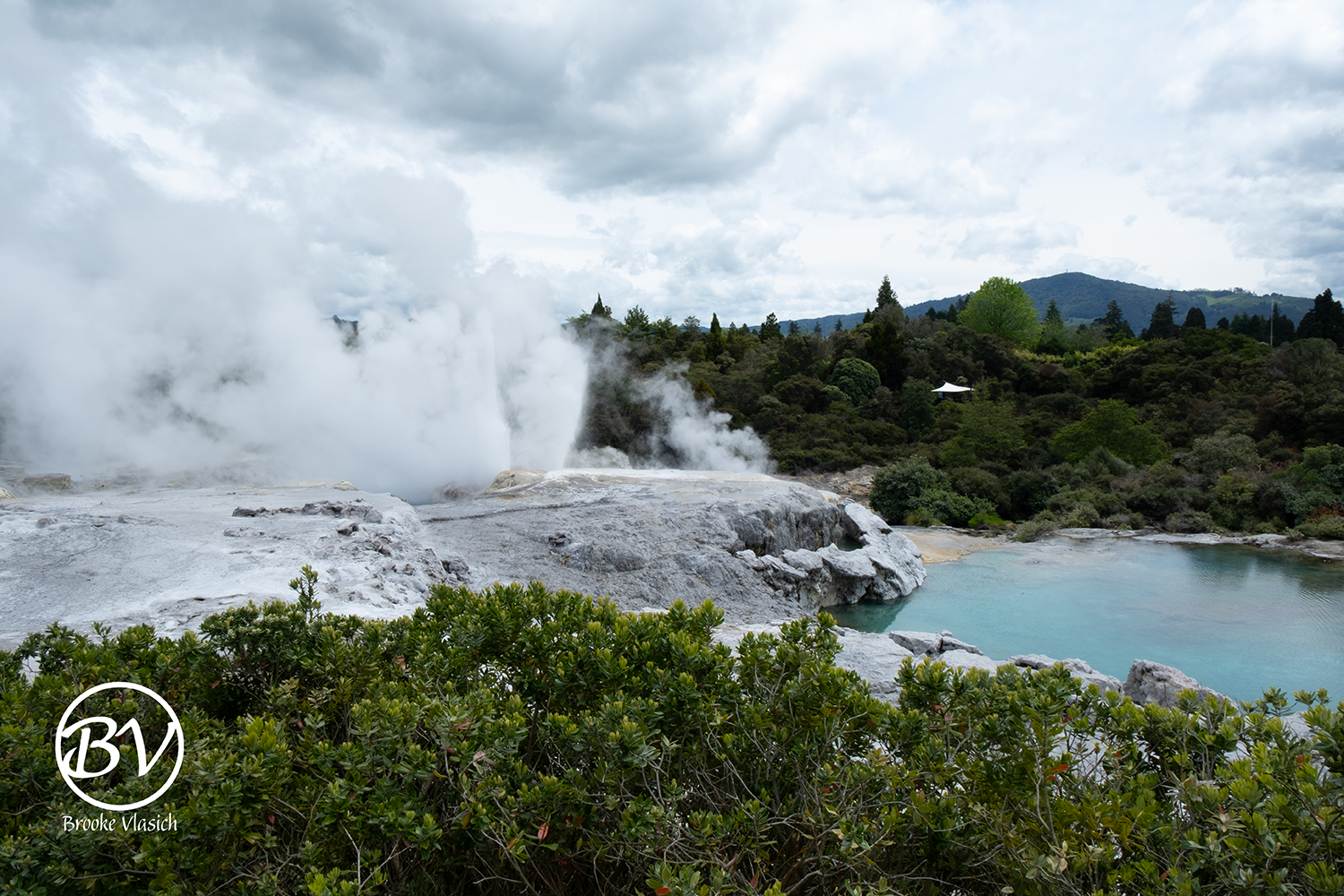
In Rotorua, I expected to be in a small remote town, but didn’t know if that meant limited cell service or restaurants with shorter hours like so many small remote towns I’ve visited. Instead of wondering, I asked questions and people gave me reassuring answers. Wherever you’re at home or halfway across the world, take the pressure off yourself to figure out everything alone. You’ll be more satisfied if you ask for the help you need.
Just as I relied on locals, guides, and travel staff, producers must trust their crew. You don’t have to solve everything by yourself.
On one of my first on-site shoots, filming a video for the public artwork The Monument as Living Memory, I learned quickly that staying calm often starts with simply asking the right people the right questions. During filming, the DP and Director made requests I didn’t anticipate: new shooting locations, quieter spaces, and even props to help shape the scene. I didn’t yet know where anything lived or who managed what, but instead of pretending I had it handled, I reached out to different departments. Those conversations led me to the switches that powered down noisy refrigerators and the tucked-away rugs, chairs, and plants in storage that brought the space to life. It was a reminder that production isn’t a solo sport. Your calm comes from collaboration, not carrying everything alone.
Reframe your perspective
A delayed flight or unexpected detour isn’t the end of the trip. In any situation, reframing helps you look at challenges in a different way that makes them more manageable.
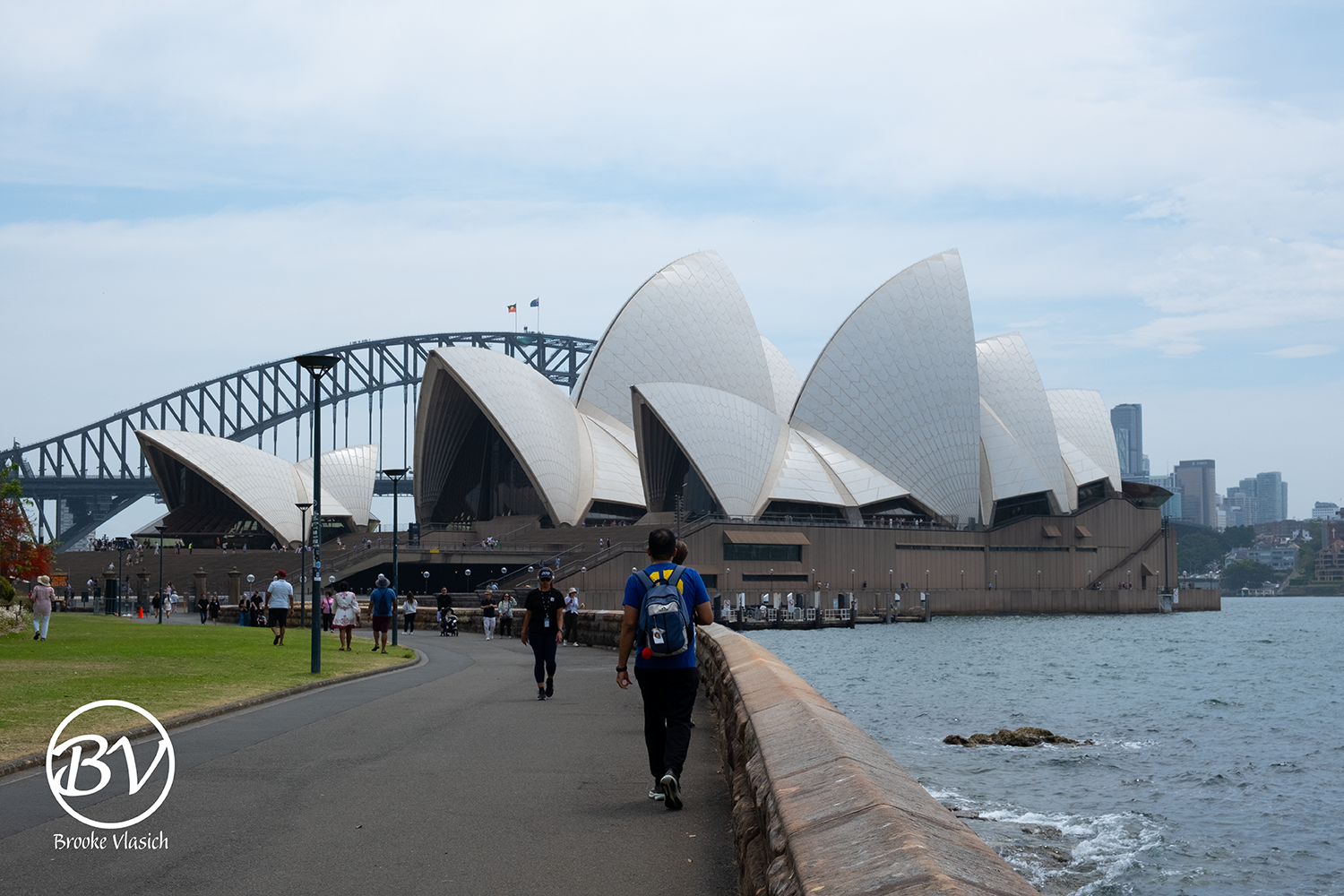
When my flight from Melbourne to Sydney was delayed, I noticed many travelers were complaining to the airline crew. A person next to me calmly said, “This happens a lot flying between Melbourne and Sydney. When I flew to Sydney my flight was delayed four hours.”
Her words made me realize I could let my frustrations get the better of me, or I could focus on what I can control: my attitude. Getting angry with airline employees wouldn’t make my flight take off any faster. I didn’t have to worry about rescheduling or canceling anything since I hadn’t purchased tickets for sight seeing and my hotel didn’t start check-in until the afternoon. It’s better to get there safely than get upset over a delay.
The same is true for producers. Most on-set issues aren’t the end of the project. Perspective keeps panic in check.
When I produced, filmed, and edited my first video for artist Sally Strand, I spent most of the interview silently panicking. I stumbled over my questions, unsure if I was drawing out the right responses, until my teammates gently stepped in to help guide the conversation. At first, I saw their support as a sign that I wasn’t doing enough, but later I realized their collaboration didn’t diminish my role; it strengthened the final piece and taught me what to ask when I felt stuck.
The same shift happened when it came time to film the artwork being packed up. Instead of fixating on what equipment I didn’t have, I reframed it as a chance to capture intimate, behind-the-scenes moments that added depth to the story. Changing how I interpreted those moments transformed stress into learning and self-doubt into growth.
Reflect after it’s over
Each travel hiccup helped me learn how I handle stress. Every on-set crisis offers its own lesson. At the end of every trip or project, I have a debrief, even if it’s not with a whole team, to figure out how I can use my experiences to strengthen future travel adventures and productions. Whether I’m making a note of travel items to buy for my next journey or making a list of steps to add to my production checklist, reflection prepares you for what’s next.